
NEO LABS RESEARCH
Research overviews
Plain-English overviews of the compounds we supply — what each one is, how its mechanism is studied in the literature, and how it is handled as a laboratory reference material. Written for Australian research teams, with the evidence limits stated up front.
Research use only · Not for human consumption · 18+. These overviews describe the published scientific record. Nothing here is medical advice or a recommendation to administer any compound to humans or animals.
How these overviews are prepared
Each overview is built from the scientific literature indexed under the searches linked at the bottom of the page. Those sources are used to explain what a compound is, which mechanisms researchers have studied, and where the evidence runs thin.
Source-led
Statements about classification, mechanism and study findings are grounded in the published scientific literature, with search links so you can verify them.
Evidence in context
Cell-model, animal and human research are distinguished wherever that distinction changes how a finding should be read.
Plain language, no dosing
Technical terms are explained. No dosing, administration or protocol guidance appears anywhere on these pages.
These are concise educational overviews, not systematic reviews. They do not establish safety, effectiveness or any approved use.
15 overviews.
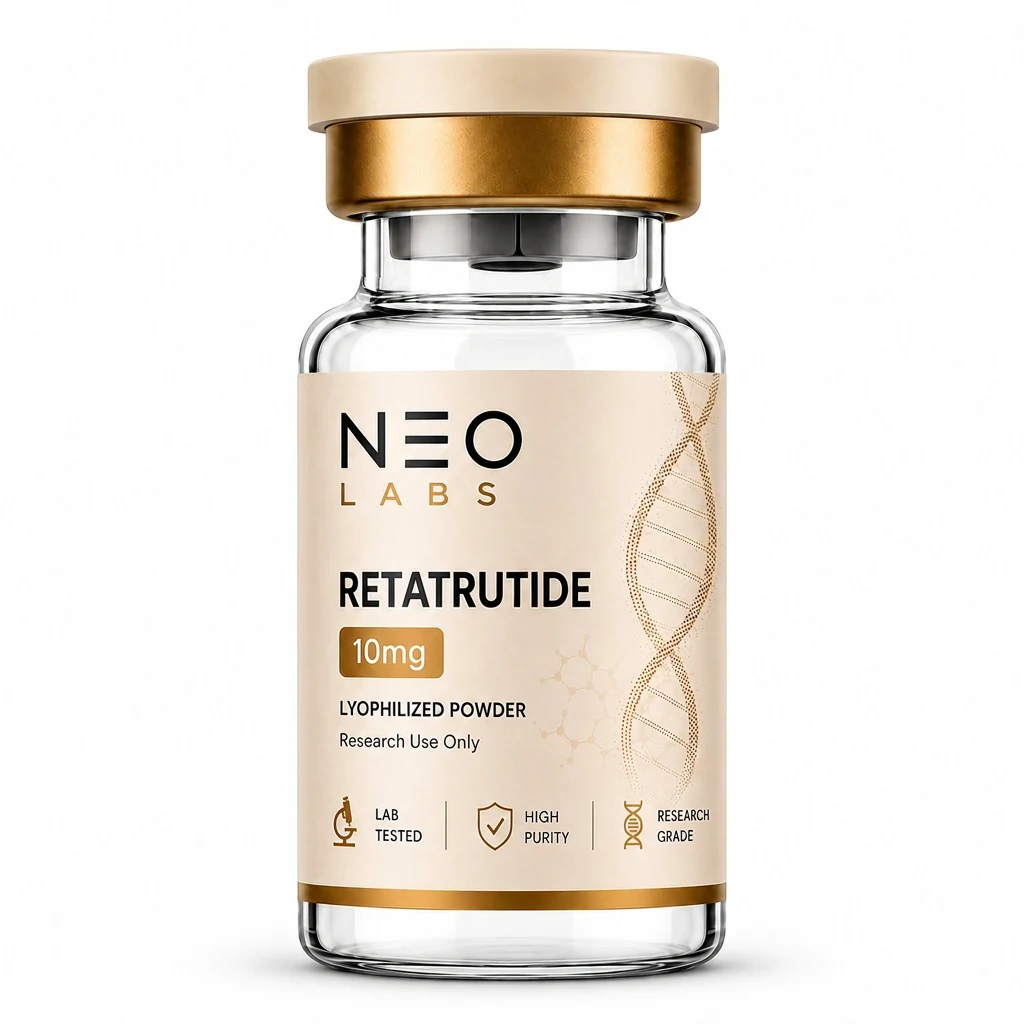
What Is Retatrutide?
An investigational GIP / GLP-1 / glucagon triple receptor agonist (LY3437943) — classification, receptor mechanism and where the research record currently sits.
Read overview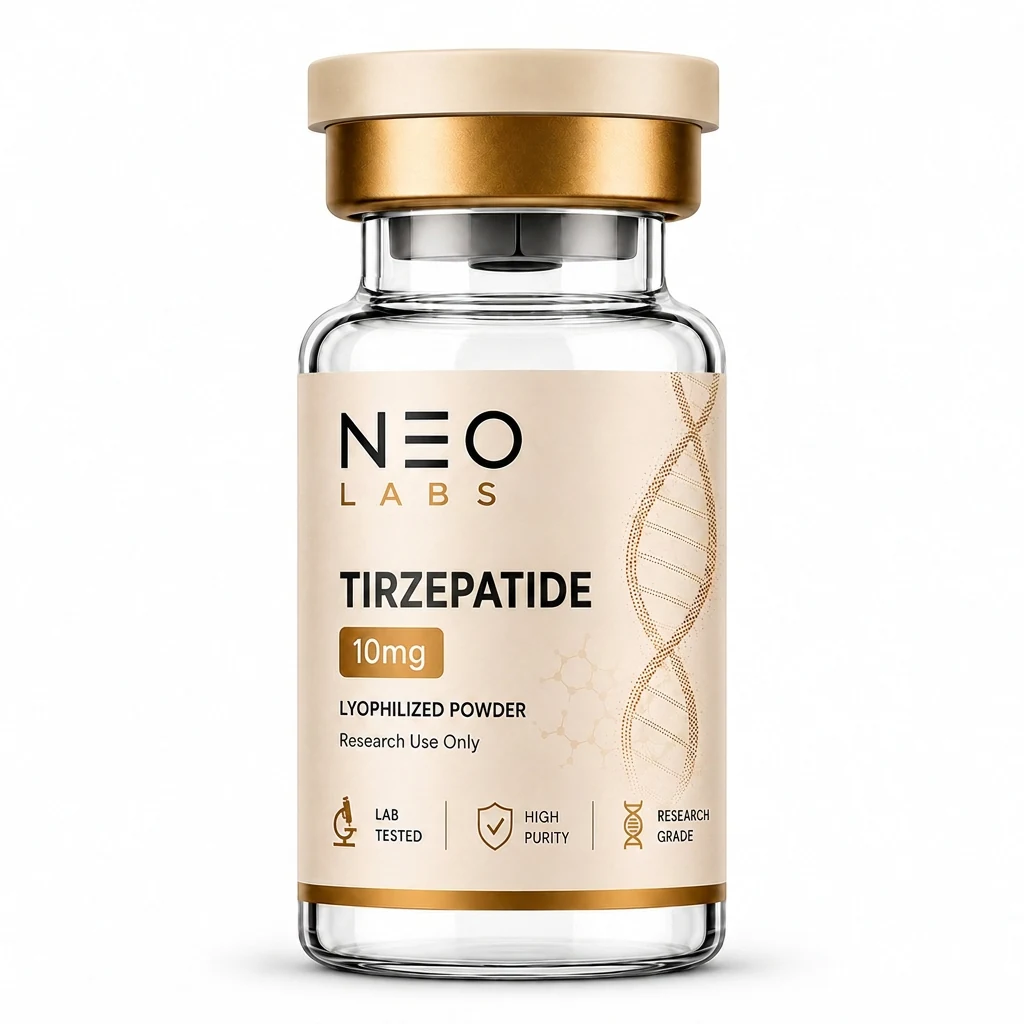
What Is Tirzepatide?
A dual GIP and GLP-1 receptor agonist studied extensively in incretin pharmacology — structure, receptor bias and the published evidence base.
Read overview
What Is Semaglutide?
A long-acting GLP-1 receptor agonist and the most heavily published peptide in incretin research — classification, mechanism and evidence context.
Read overview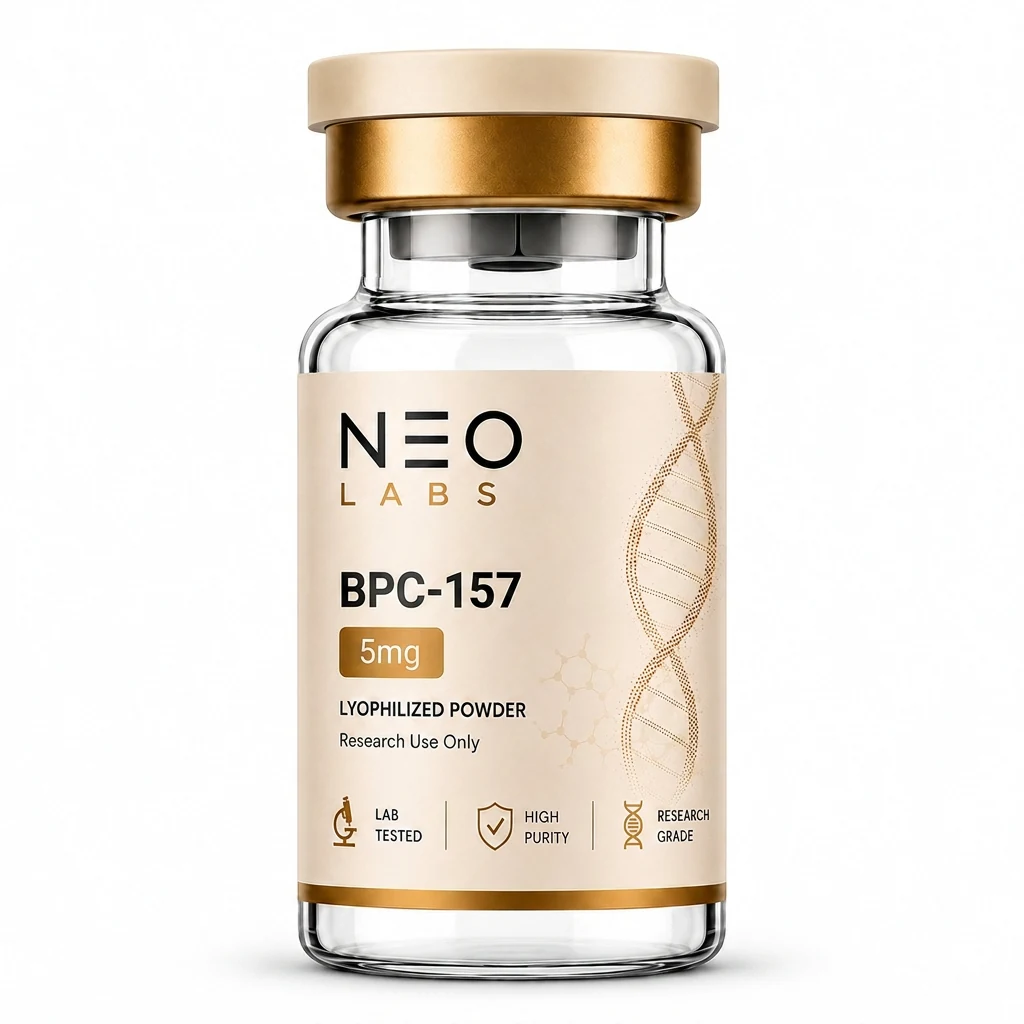
What Is BPC-157?
A synthetic 15-amino-acid pentadecapeptide studied in preclinical tissue-repair, angiogenesis and cytoprotection models.
Read overview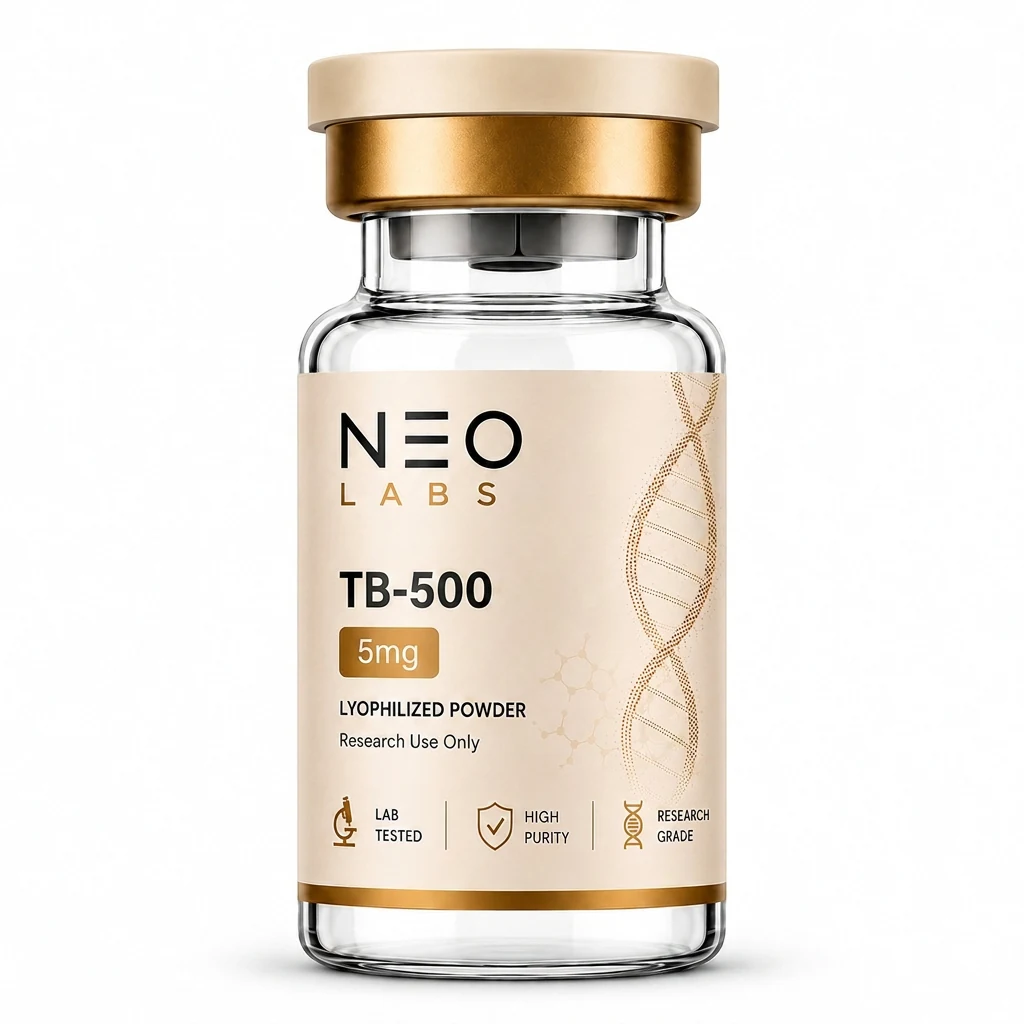
What Is TB-500?
A synthetic fragment related to thymosin beta-4, studied in actin-binding, cell-migration and repair-model research.
Read overview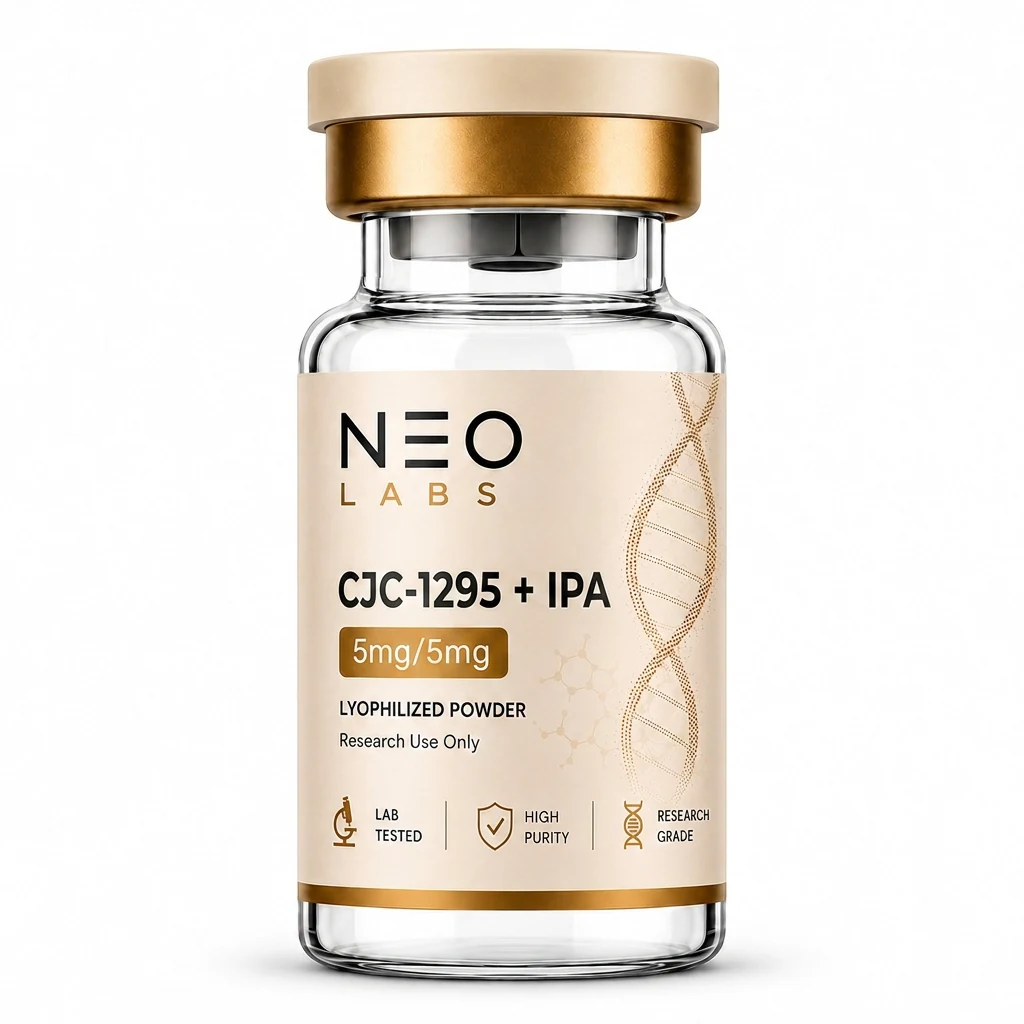
What Is CJC-1295 + Ipamorelin?
A GHRH analogue paired with a selective growth-hormone secretagogue — why the two are studied together in GH / IGF-1 axis research.
Read overview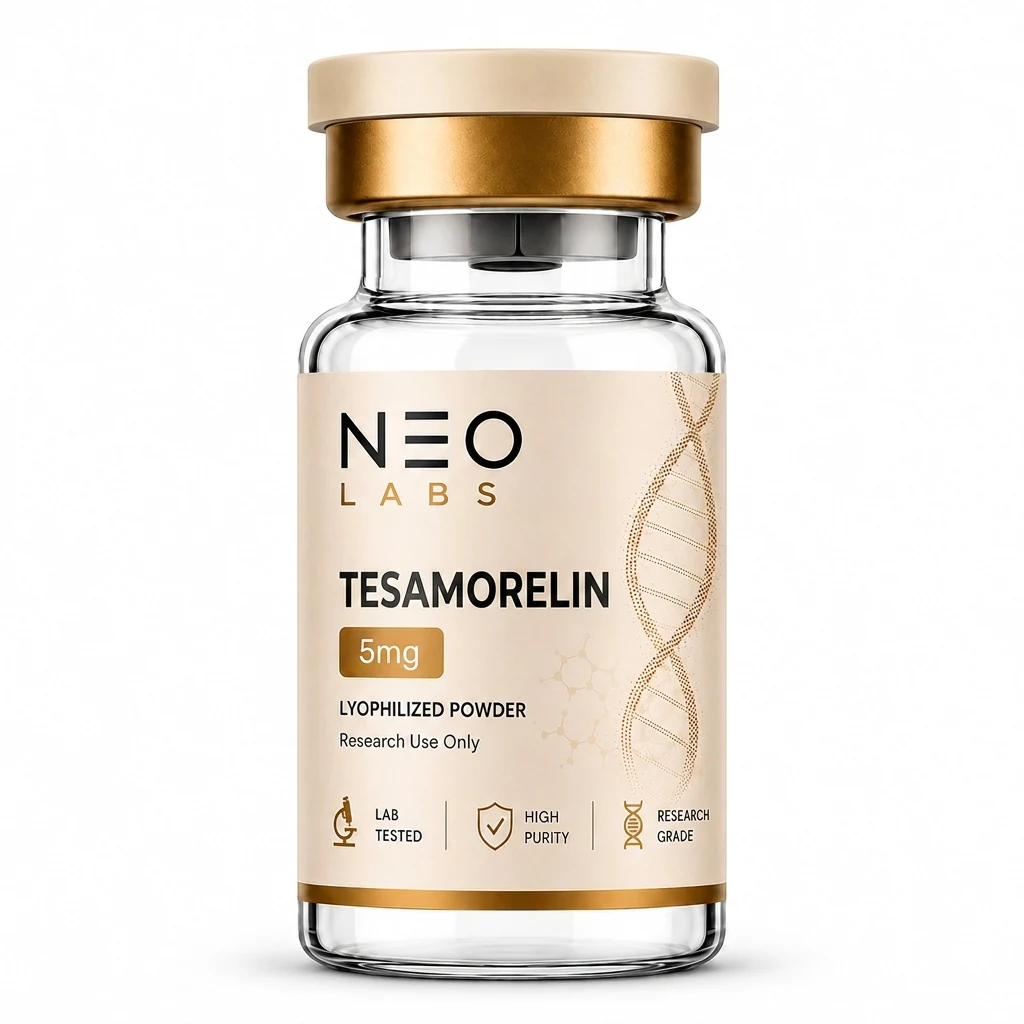
What Is Tesamorelin?
A stabilised growth-hormone-releasing-hormone analogue studied in receptor-signalling and endogenous GH-pulsatility research.
Read overview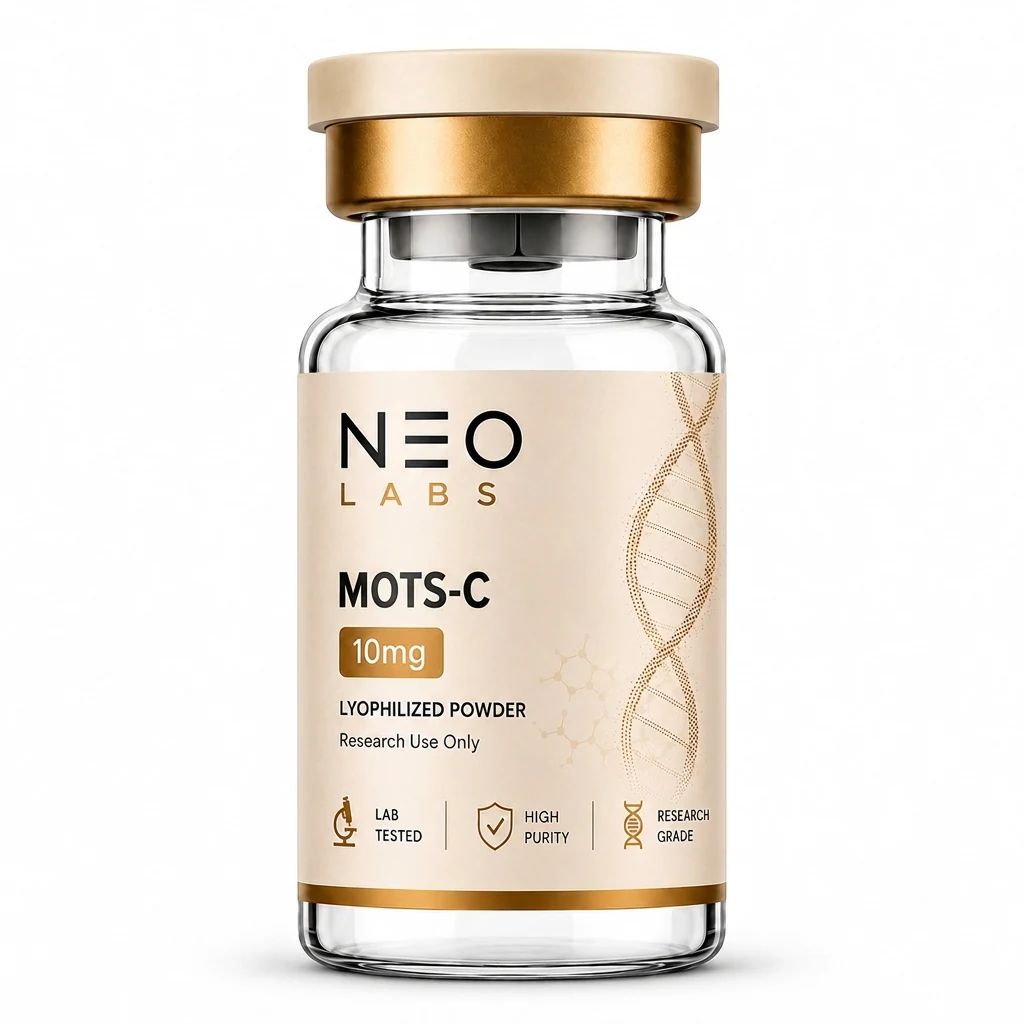
What Is MOTS-c?
A mitochondrial-derived peptide encoded in the 12S rRNA region, studied in mitochondrial-function and metabolic-signalling research.
Read overview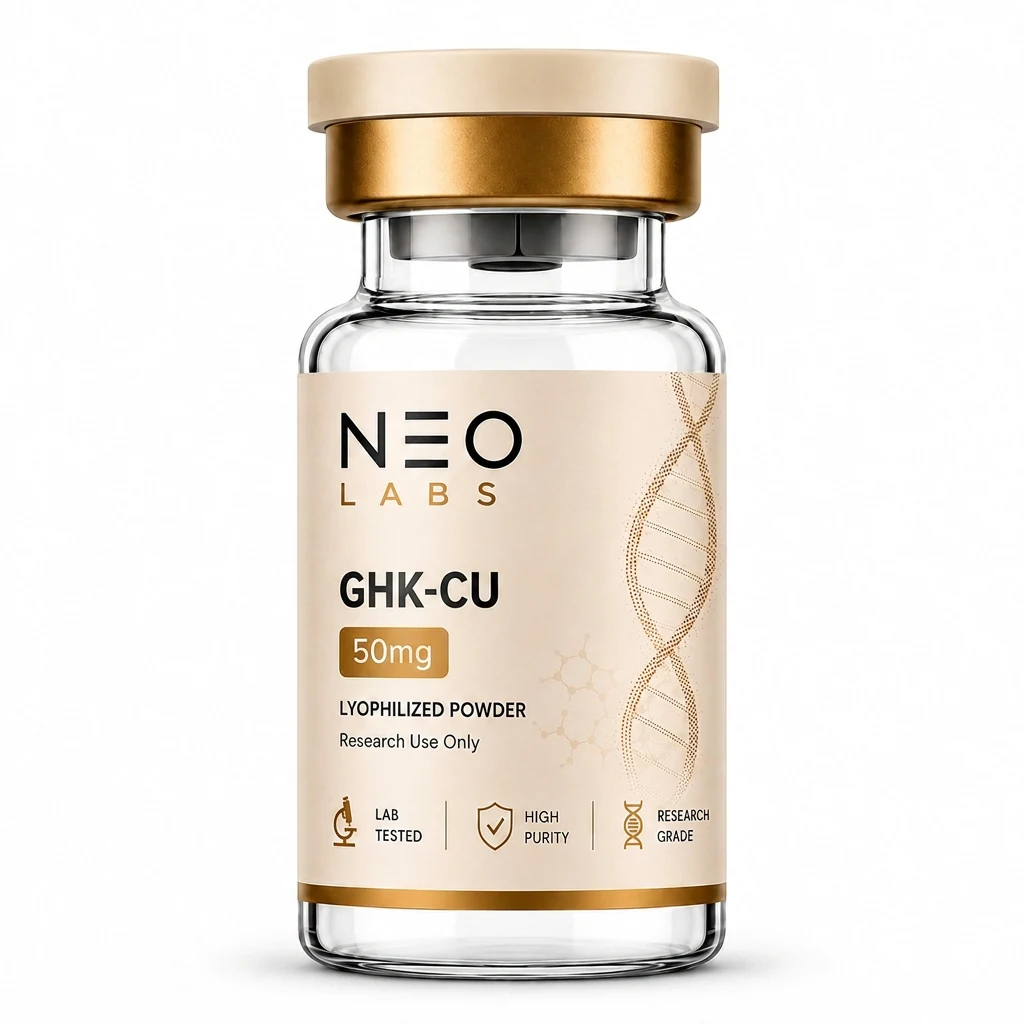
What Is GHK-Cu?
A naturally occurring copper-binding tripeptide studied in protein-synthesis, gene-expression and matrix-remodelling research.
Read overview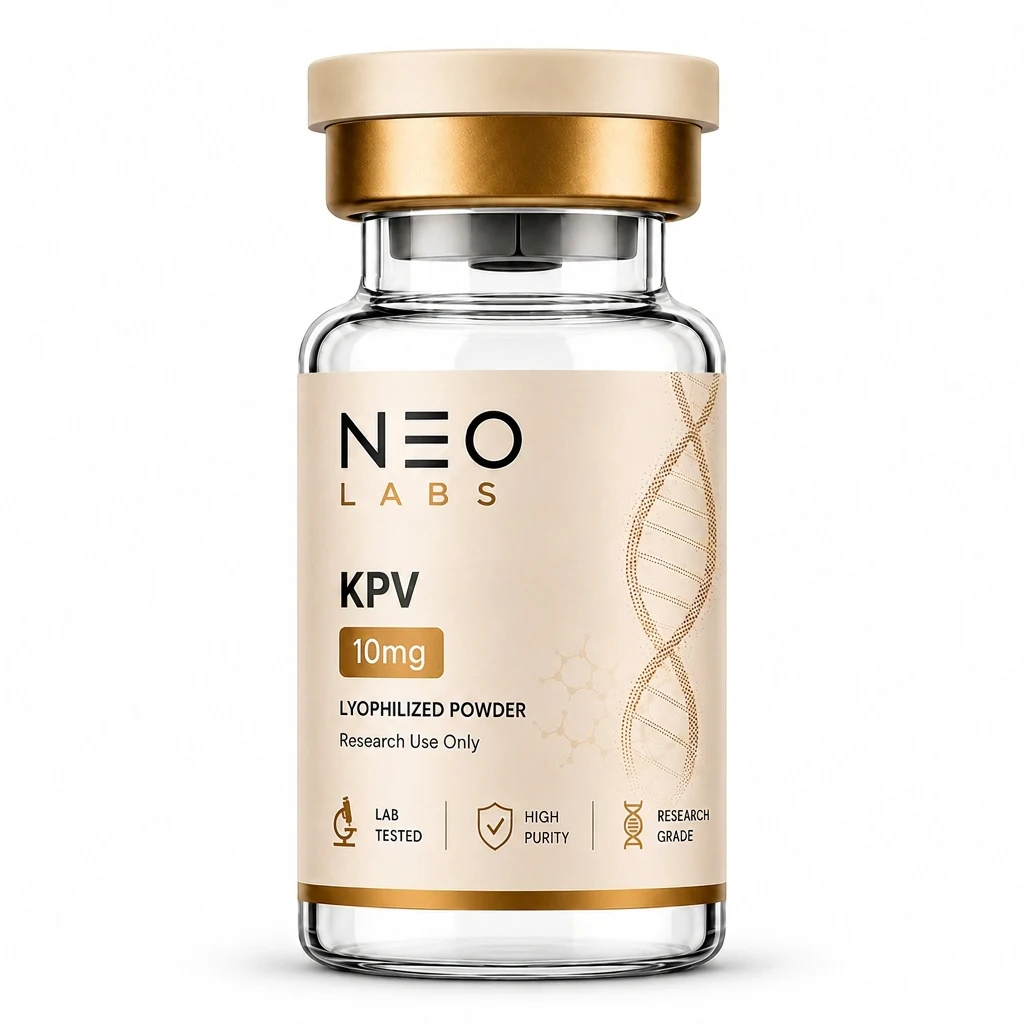
What Is KPV?
A Lys-Pro-Val tripeptide derived from α-MSH, studied in cell systems and preclinical inflammatory-signalling models.
Read overview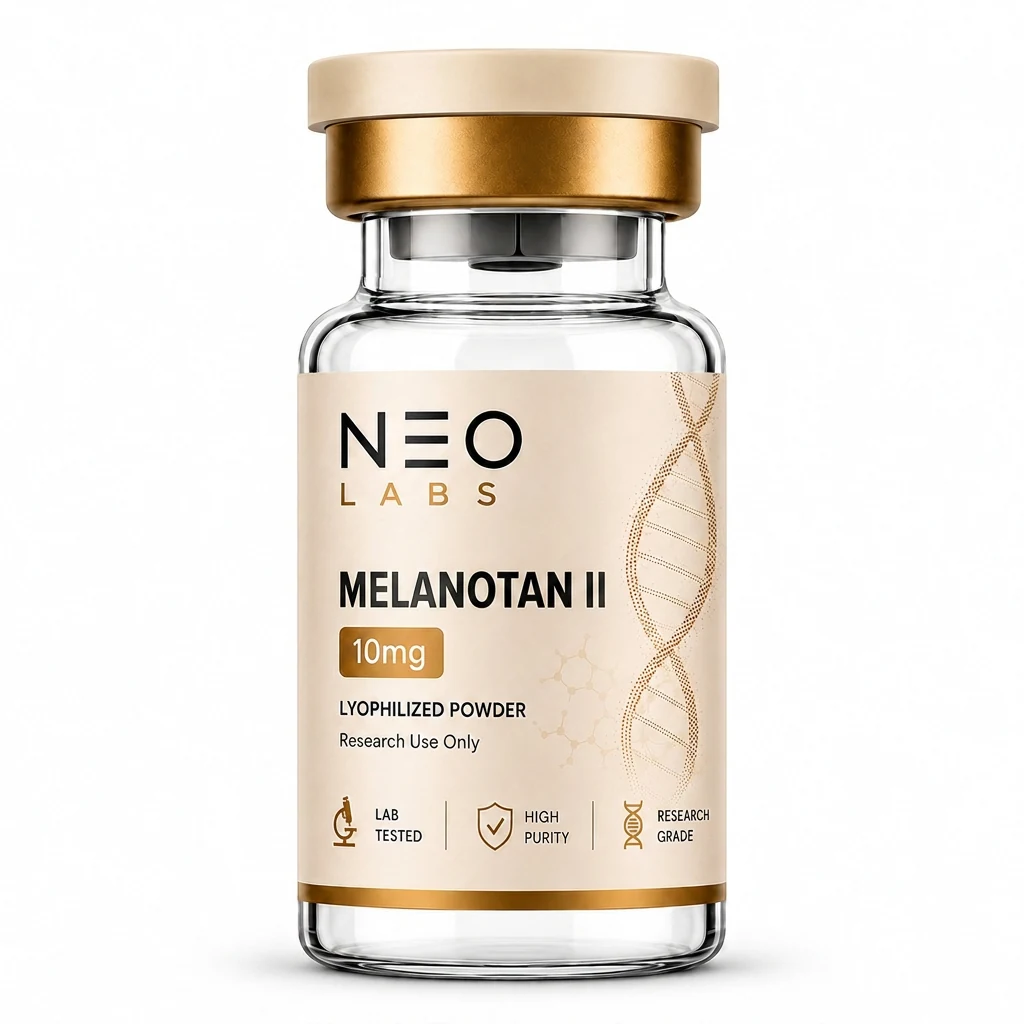
What Is Melanotan II?
A synthetic cyclic peptide studied as a non-selective melanocortin receptor agonist — classification, receptor profile and research record.
Read overview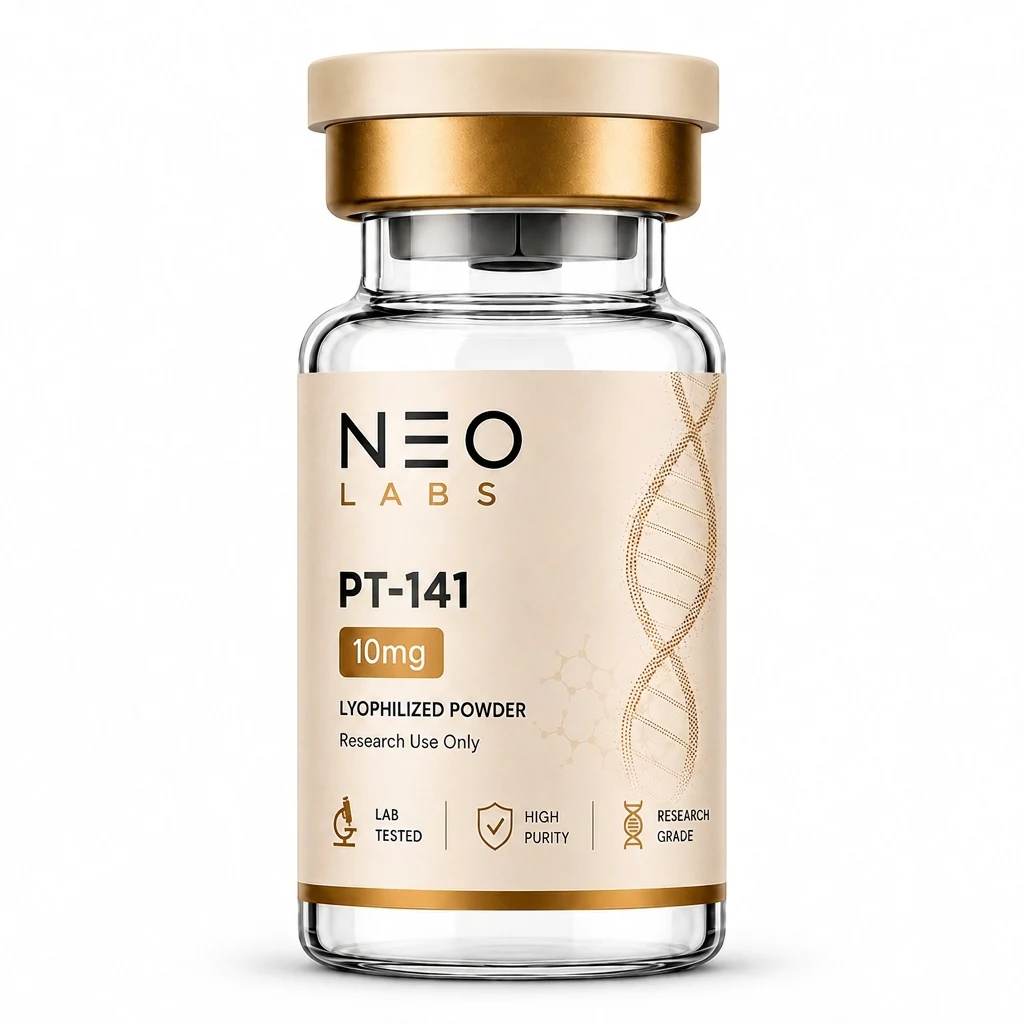
What Is PT-141?
A synthetic cyclic peptide (bremelanotide) studied as an agonist at the central melanocortin receptors MC3R and MC4R.
Read overview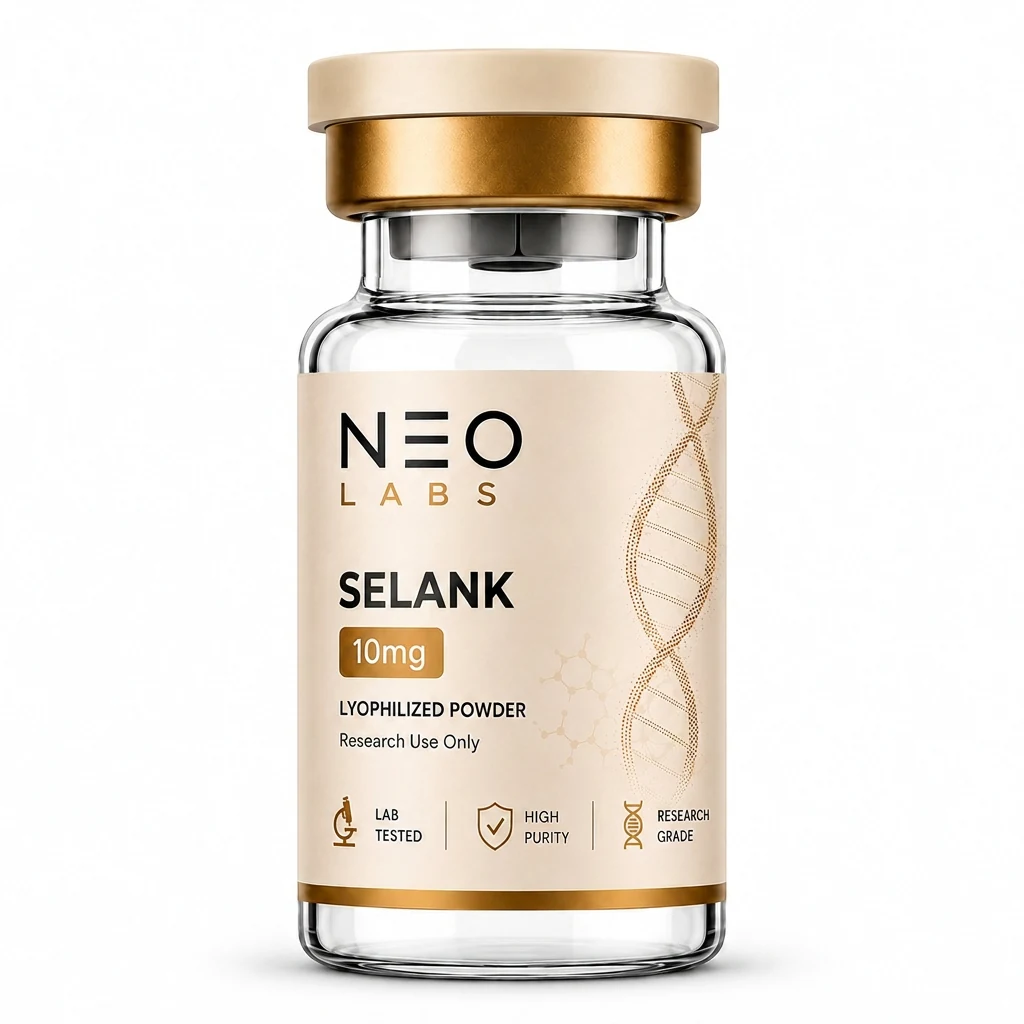
What Is Selank?
A synthetic tuftsin-analogue peptide studied in neuropeptide, anxiolytic-model and neurotrophic-signalling research.
Read overview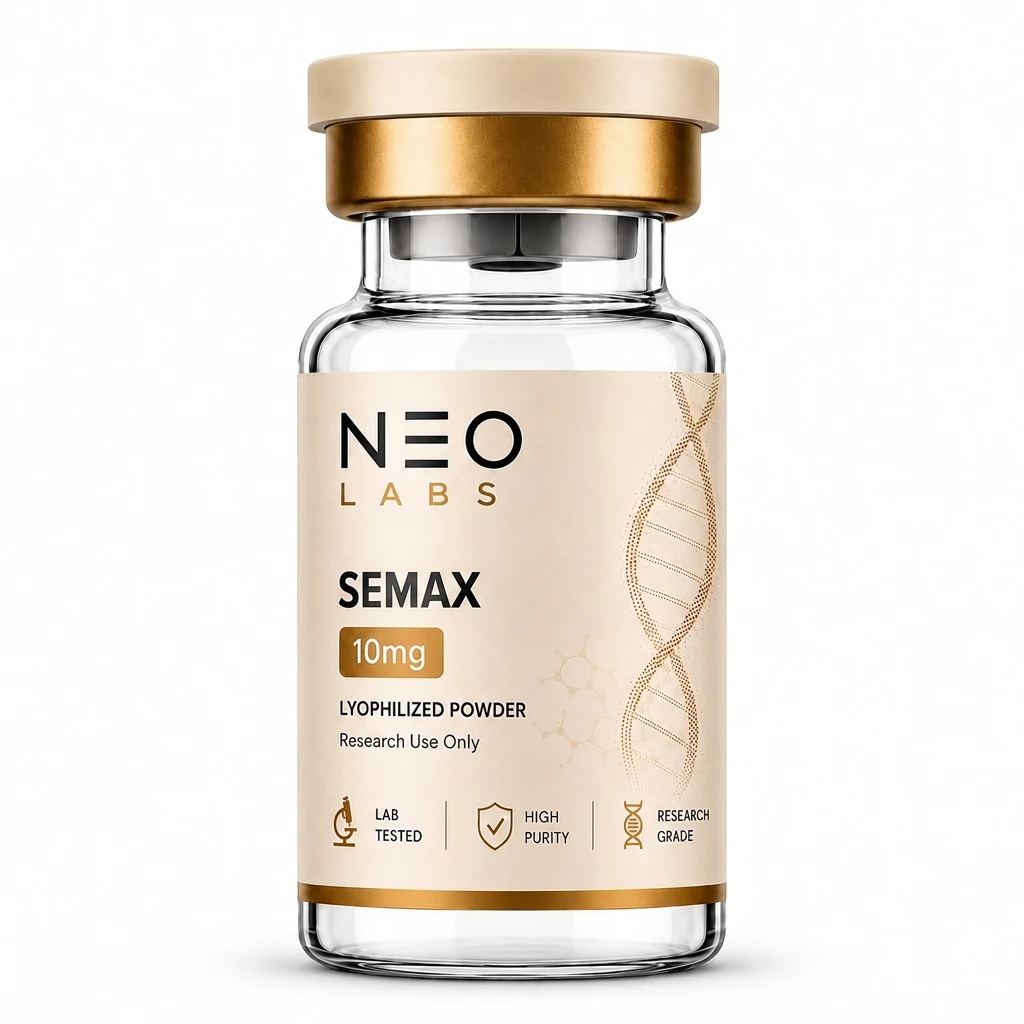
What Is Semax?
A synthetic ACTH(4-10) analogue studied in neuropeptide and BDNF-related neurotrophic signalling research.
Read overview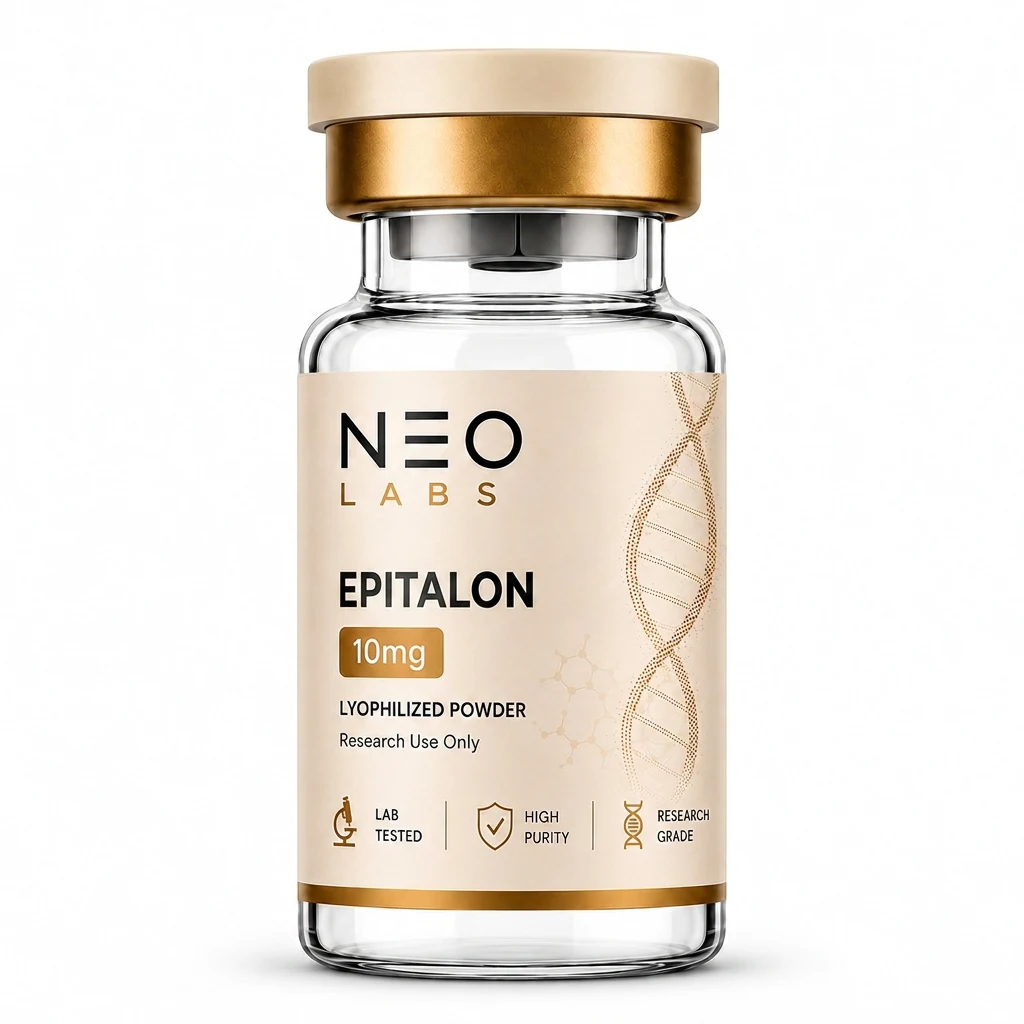
What Is Epitalon?
A synthetic tetrapeptide studied in telomerase-expression and cellular-ageing research models.
Read overviewBrowse all research peptides
The full Neo Labs register — every lot third-party tested with a Certificate of Analysis, dispatched same day from Australia.
Shop the catalogue